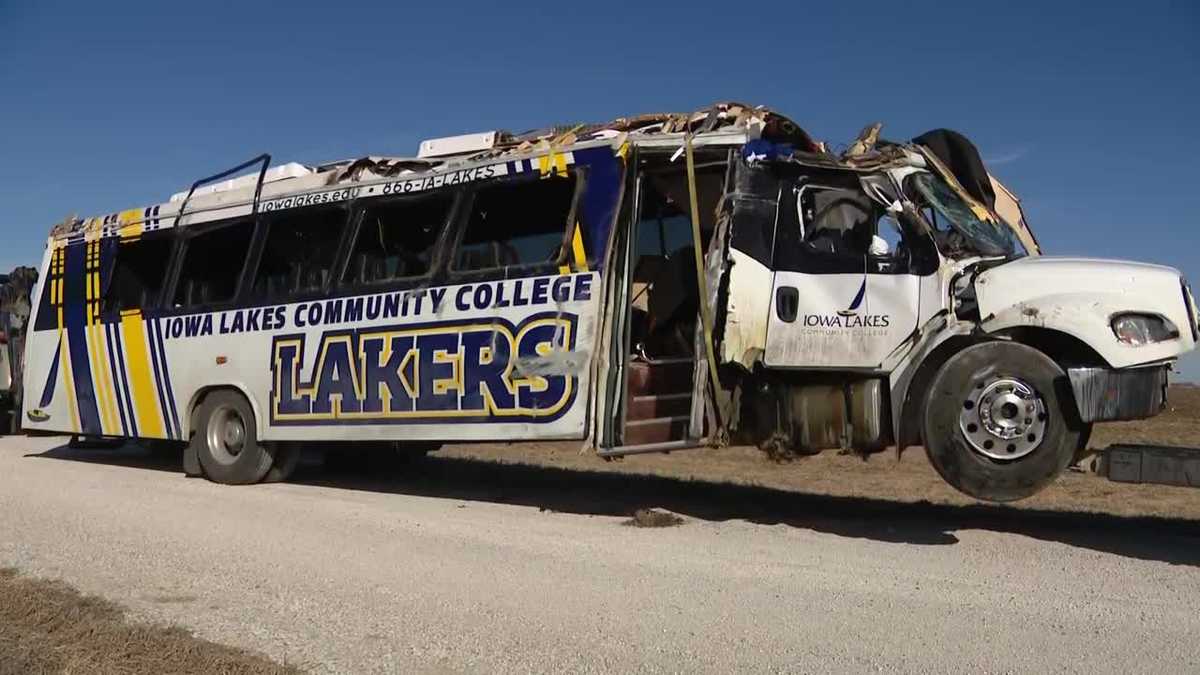
Iowa Lakes Bus Rollover Declared Mass Casualty Incident: A Closer Look at the Tragic Event
On a somber Wednesday morning, the Iowa Lakes Community College baseball team experienced a devastating bus rollover accident that shocked the state. The incident, which occurred on Iowa Highway 4 near 220th Street, just west of Twin Lakes in Calhoun County, was swiftly declared a "mass casualty incident" by Iowa authorities, underscoring the severity and widespread impact of the crash. This unfortunate event led to one fatality and left dozens injured, marking a profound tragedy for the Iowa Lakes community and beyond. The rapid response from emergency services and the subsequent investigation highlight the complexities involved in such large-scale incidents.
The accident, which unfolded around 11 a.m., involved a bus carrying 33 members of the Iowa Lakes baseball team. While no other vehicles were directly involved in the crash, an accompanying Iowa Lakes van, transporting six additional individuals, was also part of the travel party. The immediate aftermath saw a concerted effort from first responders to manage the scene, attend to the injured, and transport them to various medical facilities for urgent evaluation and care. The declaration of a mass casualty incident activated a comprehensive emergency response, mobilizing significant resources to address the numerous injuries, which were reported to range from minor to serious.
The Incident Unfolds: A Tragic Day in Calhoun County
The quiet stretch of Iowa Highway 4 was transformed into a scene of intense emergency operations following the bus rollover. Iowa State Patrol officials confirmed to KCCI that one individual tragically died at the scene, an immense loss that cast a pall over the incident. While specific identities were initially withheld out of respect for the privacy of those involved and their families, the profound grief within the community was palpable. Further information regarding the victim and the widespread impact can be found in related reporting such as Iowa Lakes Baseball Bus Crash Kills One, Injures Dozens and an article identifying the individual, Carter Johnson Identified as Victim in Fatal Iowa Lakes Bus Accident.
The swiftness with which the mass casualty declaration was made reflects the scale of the challenges faced by emergency personnel. With 33 individuals requiring medical attention, resources had to be coordinated efficiently to ensure everyone received appropriate care. The Calhoun County Emergency Management Agency, alongside various local and state authorities, worked tirelessly to manage the scene, which included securing the crash site and facilitating the reopening of Highway 4 by approximately 2:30 p.m. This quick turnaround, despite the severity of the Iowa bus accident, speaks volumes about the professionalism and dedication of Iowa's emergency services.
The impact of such an event extends far beyond the immediate physical injuries. Students, staff, families, and the wider community are left grappling with emotional trauma and grief. The college's statement, released shortly after the incident, underscored their commitment: "The safety and well-being of our students and staff remain our highest priority." They confirmed active support for those affected and direct communication with families, emphasizing the human element at the core of this tragedy.
Understanding a Mass Casualty Incident Declaration
A "mass casualty incident" (MCI) declaration is a critical step taken by emergency management when an event overwhelms, or has the potential to overwhelm, the immediate resources of a local emergency response system. This designation allows for the rapid mobilization of additional resources—medical personnel, ambulances, hospitals, and logistical support—from broader regional or state networks. It ensures that aid is dispatched efficiently to manage a large number of casualties simultaneously.
Key aspects of an MCI declaration include:
- Resource Mobilization: Activating protocols to call in extra medical teams, emergency vehicles, and supplies.
- Triage Protocol: Implementing systematic methods to assess injuries and prioritize care, ensuring those with the most critical needs receive immediate attention.
- Hospital Coordination: Distributing patients across multiple medical facilities to avoid overwhelming any single hospital and ensure specialized care is available.
- Incident Command System: Establishing a unified command structure to coordinate all responding agencies, including law enforcement, fire departments, and emergency medical services.
- Communication Strategy: Managing information flow to the public, media, and affected families, often balancing the need for transparency with respect for privacy.
In the case of the Iowa bus accident involving the Iowa Lakes baseball team, the MCI declaration was crucial in managing the care for 33 injured individuals. It highlights the importance of robust emergency preparedness plans that can scale up quickly in response to unforeseen disasters.
Support and Investigation Efforts Following the Iowa Bus Accident
In the wake of such a profound incident, the focus immediately shifts to two critical areas: supporting the affected individuals and thoroughly investigating the cause. Iowa Lakes Community College demonstrated its commitment to its community by providing immediate support to students and staff. This includes not only physical care for the injured but also emotional and psychological support services for all those traumatized by the event. Communication with families is paramount, ensuring they receive accurate and timely updates while their privacy is respected.
The investigation into the cause of the Iowa bus accident is ongoing. Authorities, including the Iowa State Patrol, are meticulously examining the scene, vehicle mechanics, environmental factors, and any other elements that might have contributed to the rollover. It's a complex process that aims to determine exactly what transpired to prevent similar tragedies in the future. Key aspects of the investigation often include:
- Vehicle Examination: A detailed inspection of the bus for mechanical failures, tire integrity, and braking systems.
- Driver Interview: Gathering information from the bus driver, if physically able, about the moments leading up to the crash.
- Witness Statements: Collecting accounts from passengers, the accompanying van's occupants, and any other witnesses who may have observed the incident.
- Environmental Factors: Assessing road conditions, weather, visibility, and any potential hazards on Highway 4.
- Data Analysis: Reviewing data recorders (if present on the bus) that capture speed, braking, and other operational information.
The college has pledged its full cooperation with authorities, understanding that a comprehensive investigation is vital for closure and future safety measures. The findings from such investigations often lead to valuable insights and recommendations that can improve safety standards for commercial and collegiate transportation.
Ensuring Safety: Lessons from Tragic Events
While the immediate priority following the Iowa Lakes bus rollover is recovery and investigation, such incidents inevitably prompt reflection on vehicle safety and emergency preparedness. Tragedies like this remind us of the unpredictable nature of travel and the critical importance of stringent safety protocols.
For institutions and transportation providers, some key takeaways include:
- Regular Vehicle Maintenance: Implementing rigorous maintenance schedules for all transportation vehicles, going beyond minimum requirements.
- Driver Training and Wellness: Ensuring drivers are highly trained, adhere to rest regulations, and are in optimal condition for operating large vehicles.
- Emergency Preparedness Drills: Conducting periodic drills for staff and passengers on emergency procedures during a crash or evacuation.
- Awareness of Road Conditions: Educating drivers on assessing and adapting to varying road and weather conditions.
- Passenger Safety: Emphasizing the use of seatbelts where available and ensuring clear safety instructions are provided to passengers.
For individuals, especially those traveling in groups, understanding basic safety precautions can be beneficial. Always pay attention to safety briefings, know the location of emergency exits, and be aware of your surroundings. While no one expects an accident, being prepared can make a difference.
Conclusion
The bus rollover involving the Iowa Lakes Community College baseball team is a heartbreaking event that highlights the fragility of life and the strength of community. Declared a mass casualty incident, the response showcased the coordinated efforts of Iowa's emergency services in managing a large-scale crisis. As the investigation continues, the college, alongside authorities, remains committed to supporting those affected and uncovering the full circumstances of the accident. This tragic Iowa bus accident serves as a poignant reminder of the importance of continuous vigilance in safety practices and the enduring spirit of compassion in times of adversity. Our thoughts remain with the injured, the family of the deceased, and the entire Iowa Lakes community as they navigate this challenging period.